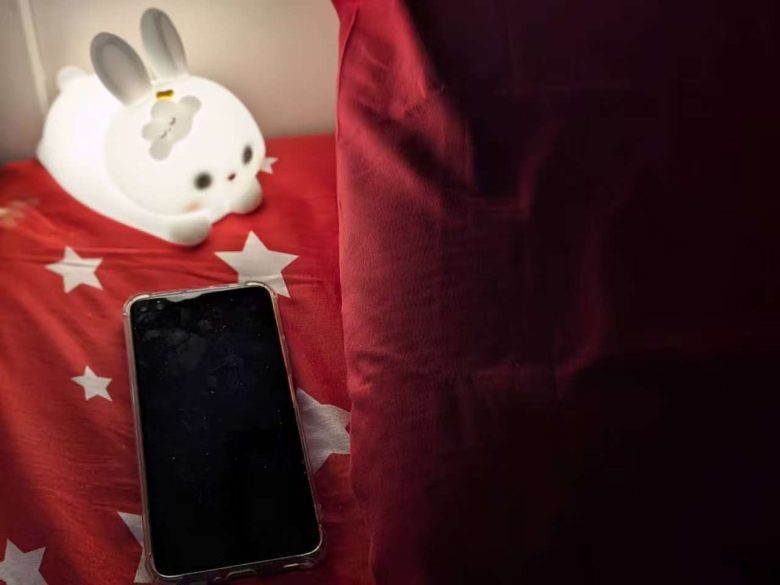
I didn’t realise how automatic this habit was
I never thought of myself as someone who relied too much on my phone.
During the day, I can stay focused when I need to. I don’t constantly check notifications, and I don’t feel distracted all the time.
But at night, it was different.
I would get into bed, tell myself I’d just scroll for a few minutes, and then somehow 30 or 40 minutes would disappear. Sometimes even longer. What made it worse was that it didn’t even feel enjoyable — it just felt like something I automatically did.
There was always one more thing to check, one more video, one more quick scroll.
So I decided to try something simple, but slightly uncomfortable:
For 7 days, I would stop using my phone one hour before going to sleep.
No scrolling. No messages. No “just one quick check.”
Just a clean break.
The first night felt strangely empty
On the first night, the hardest part wasn’t discipline — it was the silence.
I put my phone on the desk, face down, and sat there for a moment not knowing what to do next.
That surprised me.
I hadn’t realised how much that time before bed was usually filled without thinking. Without my phone, the room felt quieter than usual.
I didn’t have a plan. No book ready, no routine to replace it.
So I just sat there for a bit, then lay down earlier than usual.
My mind felt restless, almost like it was still expecting something to happen. Sleep didn’t come faster that night. If anything, it felt slightly harder to fall asleep.
Day 2 made the habit more obvious
The second night was when I started noticing how strong the habit actually was.
I kept reaching for my phone without thinking.
Not because I needed to check anything — just out of instinct.
At one point, I even picked it up, unlocked it, and then paused. That moment felt strange, like catching myself in the middle of something automatic.
I put it back down.
Sleep still didn’t improve much yet, but something else changed slightly:
My head felt a bit less “noisy.”
By Day 3, things began to slow down
This was the first night that felt different in a noticeable way.
Without scrolling, my thoughts didn’t jump around as much. I wasn’t replaying random videos or fragments of information in my head.
Everything felt slower.
Not perfectly calm, but less scattered.
When I lay down, I didn’t feel like I was trying to force sleep. It just happened more naturally.
The biggest surprise wasn’t sleep — it was how my evenings felt
Around Day 4 and Day 5, I started noticing something I hadn’t expected.
Evenings felt longer.
Not in a bad way, just… more open.
Without my phone filling that last hour, there was space. Sometimes I just sat quietly. Sometimes I thought about the day. Sometimes I did nothing at all.
At first, that felt slightly uncomfortable.
But after a while, it felt calmer.
There was less of that constant input, less stimulation, less background noise.
Mornings changed slightly too
I didn’t expect any change in the morning, but something small shifted.
Waking up felt a bit clearer.
Not dramatically better, but less heavy. I didn’t feel as mentally cluttered when I opened my eyes.
It made me realise that what I was doing before sleep was carrying over more than I thought.
There was a moment where I almost went back
Around Day 5, I had a long day and felt tired.
Scrolling felt like the easiest way to relax. I actually picked up my phone and hesitated for a few seconds.
It would have been easy to just go back to the old habit.
But I didn’t.
And that moment made something clear:
Scrolling wasn’t helping me unwind — it was just delaying rest.
By the end of the week, it felt natural
By Day 7, the habit felt lighter.
I didn’t have to remind myself as much. I didn’t feel that constant pull toward my phone.
Instead, that last hour of the day became quieter and slower.
Not always meaningful. Not always productive.
But more relaxed.
So what actually changed?
Looking back, nothing about this was extreme.
I didn’t suddenly fall asleep instantly. I didn’t become a completely different person at night.
But a few things became clear.
Falling asleep felt easier, not faster, but more natural.
My mind felt less overstimulated before bed, and that carried into how I slept.
And maybe most importantly, I became aware of how automatic my phone use had been.
Why this might be happening
I didn’t start this experiment thinking about sleep science, but afterward I looked into it a bit.
Phones don’t just keep your eyes engaged — they keep your brain active.
Constant input, fast-changing content, small bursts of stimulation — all of that makes it harder for your mind to slow down.
Removing that, even for a short time, seems to give your brain space to settle.
And that’s exactly how it felt.
This wasn’t easy — but it was simple
Some nights were harder than others.
There were moments where I really wanted to scroll, especially when I felt bored or tired.
But the rule itself was simple.
No grey area. No exceptions.
And that made it easier to follow.
Would I keep doing this?
Not perfectly.
I don’t think I’ll stick to it every single night. But I do see the value now.
Even doing this a few times a week feels worthwhile.
Because the difference isn’t dramatic.
It’s quiet.
And sometimes, that’s exactly what you need at the end of the day.
About the Author
I’ve been experimenting with small lifestyle changes to see what really makes a difference.
This site is where I share what works, what doesn’t, and what I didn’t expect along the way.
Disclaimer
This article is based on personal experience from a short-term habit change and is not intended as medical advice. Sleep quality can be influenced by many factors. If you have ongoing sleep difficulties, consider seeking guidance from a qualified professional.