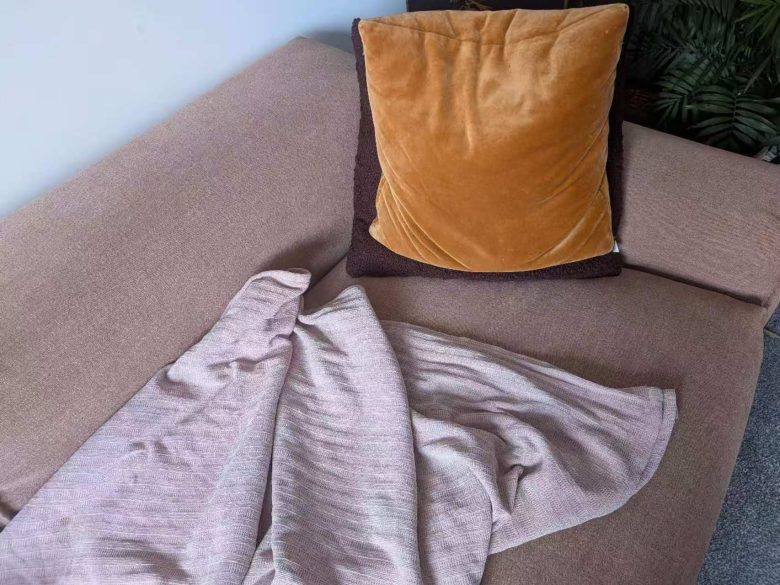
It usually started with a simple decision
“Maybe I just need a quick nap.”
That thought came up more often than I realised, usually in the middle of the afternoon when everything felt just slightly harder than it should. Not exhausted, not completely drained — just not fully there.
So I’d lie down, expecting a reset. It felt reasonable. Almost obvious. Close my eyes for a bit, wake up clearer, and continue the day.
At least, that’s what I assumed would happen.
Sometimes it worked — which made it harder to question
There were days when naps seemed to do exactly what I wanted.
I’d wake up feeling lighter, a bit sharper, like something had been cleared out. Those moments made the habit feel reliable and easy to trust.
But over time, another pattern started to show up. Not immediately obvious, but consistent enough to notice once I paid attention.
Other times, it made things worse in a way I didn’t expect
There were afternoons where I woke up feeling slower than before.
Not just tired — but slightly disoriented, like my mind hadn’t caught up yet. It took a moment to remember what I was doing before, and even longer to get back into it.
That feeling didn’t fade quickly. It lingered just enough to make everything feel heavier, which was confusing because I had just rested.
At first, I thought it was just bad timing
My first instinct was to explain it away.
Maybe I was napping too late. Maybe I had slept too long. Maybe I just needed to adjust the timing and everything would work.
So I started noticing more carefully — not in a structured way, just observing patterns. When I napped, how long, what time, and how I felt afterward.
That’s when the difference began to take shape.
Longer naps felt good in the moment, but not afterward
Whenever I didn’t set a limit, I usually slept for around 40 minutes or more.
Those naps felt satisfying while they lasted. I’d drift off properly and wake up slowly, which gave a short sense of calm.
But that feeling didn’t hold.
Soon after, a kind of heaviness would settle in. My head felt slower, my body less responsive, and getting back into anything required more effort than before I lay down.
That was the first time I realised the “good” feeling during the nap didn’t mean it was helping overall.
Short naps felt almost pointless at first — until I looked closer
When I tried shorter naps, around 10 to 20 minutes, the experience felt completely different.
At first, it seemed ineffective. Sometimes I wasn’t even sure I had fully fallen asleep, and there was no obvious boost afterward.
But over a few days, I noticed something more subtle.
I didn’t feel worse.
There was no heavy fog, no slow recovery period. I could get up and continue almost immediately, which made the rest of the afternoon easier to move through.
It didn’t feel like a reset — more like a pause that didn’t cost anything.
Timing turned out to matter more than I expected
Another detail that became clear was timing.
When I napped later in the afternoon, the effects were stronger — and usually not in a good way. The evening felt slightly off, and falling asleep at night became harder than usual.
Earlier naps didn’t seem to interfere as much. They felt more contained, like a brief interruption rather than something that shifted the entire rhythm of the day.
That difference was easy to overlook at first, but once I noticed it, it was hard to ignore.
One afternoon changed how I saw the whole thing
There was a day when I planned to take a nap and just… didn’t.
Not intentionally — I got caught up in something and kept going. I expected the tiredness to build and become harder to deal with.
Instead, it passed.
Not completely, but enough that I could continue working without that heavy drop I usually reacted to. That moment stayed with me more than any “successful” nap.
Not every drop in energy needs a reaction
Before this, I treated tiredness as something that needed to be fixed immediately.
If I felt slow, I assumed I should do something about it — drink coffee, take a nap, change something.
But that afternoon made me realise that sometimes, the feeling moves on its own.
Not always, but often enough to matter.
I also noticed how quickly I reacted to discomfort
Looking back, I realised I wasn’t just using naps to rest.
I was using them to avoid that uncomfortable low-energy state. The moment things felt harder, I looked for a way out, and naps felt like the easiest option.
But they weren’t always the right one.
That shift in awareness changed how I approached it.
This didn’t make naps useless — just more specific
I didn’t stop napping completely.
But I stopped treating it as the default solution. It started to feel more like something that works in certain conditions.
Short naps, earlier in the day, when I genuinely felt tired — those seemed helpful.
Long, unplanned naps later in the afternoon — those usually weren’t.
There were still days where I got it wrong
Even after noticing all this, I still had days where I took a longer nap and felt worse afterward.
Days where I ignored the timing or didn’t think about it too much.
And every time, the same pattern showed up again.
That repetition made the difference clearer.
The biggest change wasn’t physical — it was how I responded
Before, naps were automatic.
Now, they’re a choice. Not a big decision, just a small pause before acting.
Sometimes I still take one. Sometimes I don’t. And sometimes I just wait and see if the feeling passes.
What I do now isn’t complicated
There’s no system, no strict rules.
Just a few simple adjustments I keep in mind. If I nap, I keep it short. If it’s late, I think twice. And if the tiredness feels manageable, I don’t always react to it immediately.
It’s less about fixing energy, more about understanding it
That’s probably the biggest shift.
Instead of trying to control how I feel all the time, I pay more attention to how those feelings change on their own.
Naps didn’t stop being useful.
They just stopped being the obvious answer.
If naps have felt inconsistent for you
It might not be random.
It might just be that the details — length, timing, even the reason you’re taking the nap — matter more than we expect.
Once I started noticing those, the pattern became clearer.
About the Author
I tend to look at small, everyday habits that seem simple on the surface but behave differently once you pay closer attention.
Most of what I share comes from trying to notice those small shifts and understanding what actually makes a difference.
Disclaimer
This article reflects personal experience and informal observation, not professional medical advice. Sleep patterns and energy levels can vary widely between individuals. If you’re dealing with persistent fatigue or sleep concerns, it’s best to consult a qualified healthcare professional.